
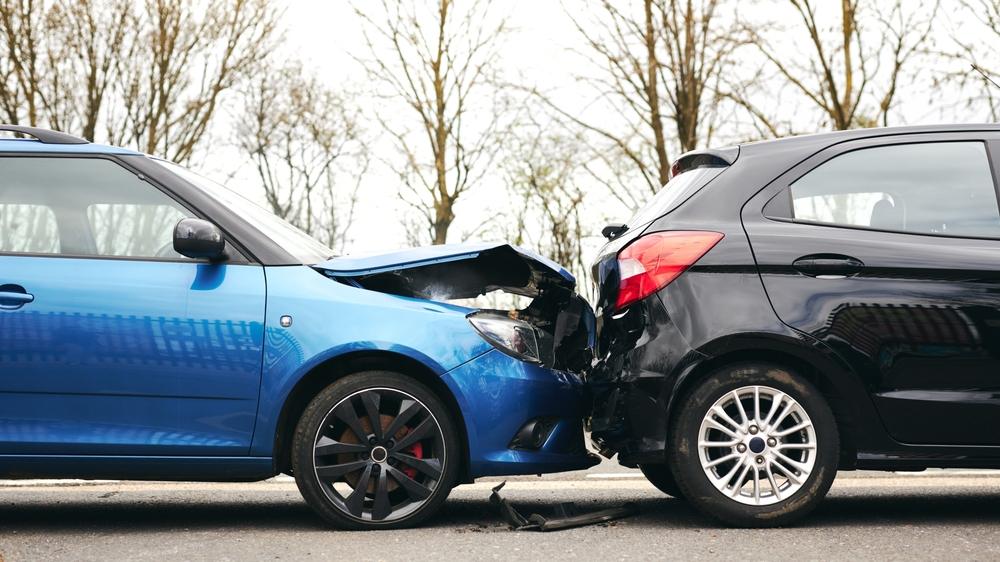
Knowing how to act in the wake of a car accident in Illinois can make all the difference—both for your safety and your ability to recover damages. The moments following a crash are often overwhelming, especially if you or someone else is injured.
What to do after a car accident in Illinois includes calling 911, moving to a safe location, and getting medical attention. A Chicago car accident lawyer can guide you through the process and help you avoid mistakes that could hurt your case later.
Whether it’s a minor fender bender or a serious collision, Illinois law requires drivers to take certain actions after a crash. From reporting the incident to collecting evidence and filing insurance claims, the decisions you make immediately after an accident can directly impact your ability to recover compensation.
Step 1: Look for Injuries and Call for Emergency Services
Your first priority after a car accident in Illinois should be making sure everyone is safe. Look for injuries—both visible and internal—and call 911 right away if anyone needs medical attention or if the accident has created a hazard on the road.
Emergency responders will evaluate injuries, secure the scene, and create a police report, which becomes key evidence for any insurance or legal claim. It’s also important to remember that not all injuries are obvious. Conditions like whiplash or concussions may take hours or even days to show symptoms.
That’s why many people choose to speak with a Chicago personal injury lawyer early on, especially if there’s any chance the injuries could lead to long-term consequences or financial strain. A lawyer can help ensure you’re protected while you focus on recovery.
Step 2: Move Away From Traffic to a Safe Location
If your vehicle is drivable and it’s safe to do so, move it to the side of the road to prevent further danger. Turn on your hazard lights and use cones or flares if you have them. If you can’t move the vehicle, stay inside with your seatbelt fastened until help arrives.
Step 3: Exchange Information
Once it’s safe, exchange contact and insurance information with the other driver. Be sure to collect:
- Full name and contact details
- Driver’s license number
- License plate number
- Insurance company and policy number
- Make, model, and color of the vehicles involved
Avoid discussing fault or making any statements about who caused the accident. Even a polite apology can be misinterpreted later.
Step 4: Gather Evidence at the Scene
If you’re able to do so, start documenting the scene. The more information you have, the easier it will be to support your insurance claim or pursue legal action if needed. When collecting this evidence, remember to:
- Take photos of vehicle damage, skid marks, road conditions, and injuries.
- Note the time, location, and weather conditions.
- Talk to any witnesses and ask for their contact information.
- Record your own impressions while the details are fresh.
This information can be crucial in the days and weeks that follow.
Step 5: File an Official Report
Under Illinois law, you must file a crash report with the Illinois Department of Transportation (IDOT) if the accident resulted in death, injury, or more than $1,500 in property damage. If the police come to the scene, they will typically handle this, but you should always confirm that it’s been filed.
If, for any reason, the police were not called, you can file a report yourself through the IDOT website or by contacting your local law enforcement agency.
Step 6: Get Medical Treatment
Injuries from car accidents aren’t always visible right away. Whiplash, concussions, and soft tissue damage can take hours—or even days—to present symptoms. Getting a full medical evaluation not only protects your health but also creates a clear record linking your injuries to the accident.
If you wait too long to seek treatment, insurance companies may argue that your injuries weren’t serious or weren’t caused by the crash at all.
Step 7: Let Your Insurance Company Know About the Crash
Most insurance policies require that you report any accident, regardless of who was at fault. Stick to the facts, and don’t speculate. If the other driver’s insurance contacts you, it’s okay to decline giving a recorded statement until you’ve spoken to a lawyer.
This is also a good time to review your policy and determine what coverage you have for medical payments, vehicle damage, and rental reimbursement.
What Damages Can You Recover After a Car Accident in Illinois?
Depending on the severity of the crash and the impact on your life, you may be able to recover:
- Medical expenses: Emergency care, hospital stays, surgeries, physical therapy, and future treatment needs
- Lost income: Wages lost due to time off work, reduced ability to earn in the future, or permanent disability
- Property damage: Costs to repair or replace your vehicle and any damaged belongings
- Pain and suffering: Physical pain, emotional distress, and reduced quality of life
- Out–of–pocket expenses: Transportation, home modifications, or assistive devices
If the at-fault driver acted recklessly, such as by driving under the influence or fleeing the scene, you may also be eligible for punitive damages. These are meant to punish especially dangerous behavior.
Get Help With Your Car Accident Claim Today
Even a seemingly minor accident can turn into a complicated legal and financial situation. From insurance delays to hidden injuries, the aftermath of a crash can quickly become overwhelming. That’s where we come in.
At Shore Law, we’ve helped clients recover over $250 million in compensation for injuries caused by negligence. With more than 40 years of combined experience, we understand how to build strong cases, negotiate with insurers, and fight for full and fair compensation.
Contact Shore Law today to schedule a free consultation and find out how we can help you move forward after a car accident in Illinois.