
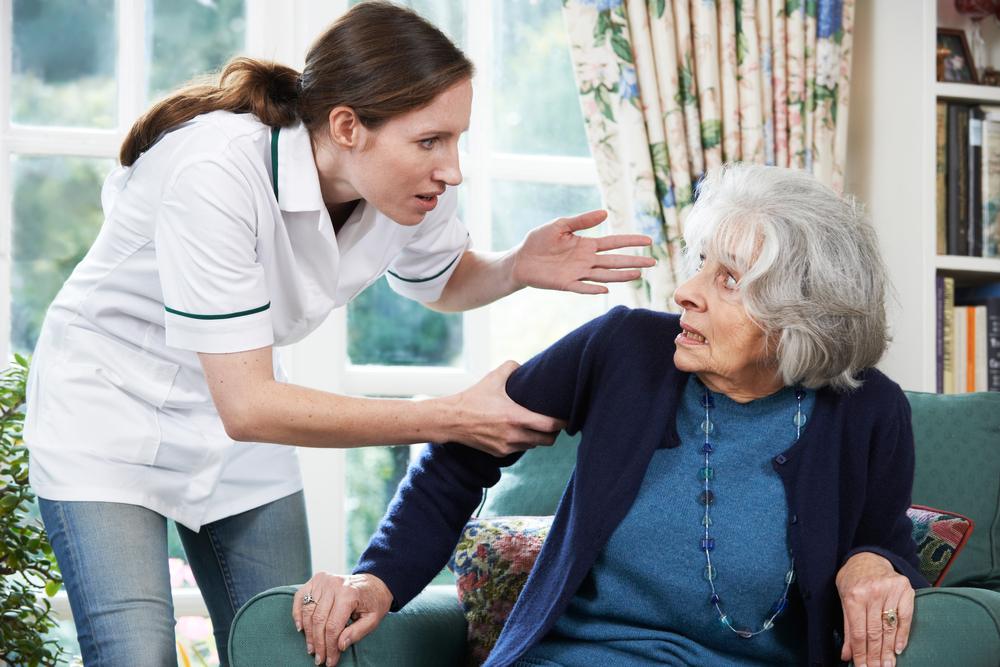
Abuse in nursing homes can be difficult to spot, especially when the warning signs, including a lack of hygiene, weight loss, bedsores, bruises, and sudden mood shifts, are subtle or masked as normal aging. But knowing what to watch for can help you take action before the situation worsens.
Families who recognize these early red flags play a critical role in protecting their loved ones from ongoing harm. If you’re concerned about something you’ve seen or sensed, a nursing home abuse lawyer can help you assess the situation and move forward with the right legal steps.
While nursing homes are meant to provide care and support, many families find that staff shortages, poor training, or negligent oversight lead to harm. Abuse may take physical, emotional, or even financial forms—and in many cases, the victim is unable or unwilling to speak up. That’s why families must know what to look for and how to respond.
11 Warning Signs of Nursing Home Abuse
Spotting abuse in a nursing home can be difficult, especially when the signs are subtle or dismissed by staff. Many red flags can be explained away on the surface, which is why it’s so important for families to trust their instincts and stay alert to patterns or behaviors that seem unusual.
Here are 11 warning signs that may indicate abuse or neglect:
- Unexplained injuries: Bruises, cuts, or even fractures that staff can’t clearly account for—or stories that change from one person to another.
- Sudden mood shifts: If your loved one becomes withdrawn, fearful, or uncharacteristically anxious, particularly around certain caregivers.
- Lack of hygiene or cleanliness in the living space: You might notice your loved one wearing the same clothes for days, having unwashed hair or skin, or living in a room with dirty linens and strong odors. These can be signs that basic care is being neglected.
- Bedsores or skin breakdown: These painful wounds usually develop when a resident isn’t being moved or checked on regularly, especially if they have limited mobility. They’re a red flag for ongoing neglect.
- Noticeable weight loss or dehydration: A sudden drop in weight or signs of dehydration—such as dry mouth, dizziness, or confusion—could mean your loved one isn’t being fed properly or is missing meals.
- Overuse of medications or constant prescription changes: If the resident seems overly drowsy or disoriented, it’s possible they’re being medicated to make them easier to manage, rather than for legitimate medical reasons.
- Missing belongings or suspicious financial activity: If valuables start disappearing or you spot unexplained charges, someone at the facility may be taking advantage of the resident financially.
- Fearful reactions to staff: A resident who seems nervous or hesitant around a specific caregiver may have a reason they’re afraid.
- Delayed or missing medical care: If injuries or illnesses go untreated—or you aren’t informed of them—it could mean staff members are avoiding accountability.
- Conflicting accounts from staff: When no one can give a straight answer about how an injury happened, it’s often a sign of deeper issues.
- Isolation from loved ones: Unexplained limits on visits, fewer phone calls, or abrupt changes in communication could be intentional efforts to keep families away.
Even one of these signs is worth investigating. When several appear together, it’s time to take serious action.
What Causes Abuse or Neglect in Nursing Homes?
While every situation is different, many cases of abuse stem from systemic issues within the facility. Understaffing is one of the most common factors. When too few caregivers are responsible for too many residents, it’s easy for care to fall short or for abusive behavior to go unchecked.
Other common causes include:
- Poor hiring practices, such as failing to conduct background checks
- Lack of proper training in patient care or communication
- High staff turnover leading to inconsistent care
- Inadequate supervision by management or administration
- Facility pressure to reduce costs at the expense of resident safety
These underlying issues create an environment where vulnerable residents are at greater risk of harm and where accountability often comes only after serious injury has occurred.
What to Do if You Suspect Abuse or Neglect
If you’ve seen your loved one exhibit the warning signs of abuse in nursing homes, what you should do is take action quickly. Even if you’re unsure, gathering information early on can help protect them and build a stronger case if legal intervention becomes necessary.
Steps to take include:
- Document concerns: Write down everything you notice—dates, behaviors, injuries, or comments made by staff or the resident.
- Take photos or videos: If allowed, document physical injuries or poor living conditions.
- Speak with the facility: Ask direct questions, and take note of how the staff responds. Avoid confrontations, but press for clarity.
- Request medical and care records: These can provide insight into treatment history, medication changes, and care schedules.
- Report to authorities: In Illinois, you can contact the Department of Public Health or the Long-Term Care Ombudsman Program to file a formal complaint.
- Consult an attorney: A skilled nursing home abuse attorney can begin an independent investigation and preserve critical evidence before it’s lost or altered.
How Shore Law Investigates Nursing Home Abuse
At Shore Law, we understand how hard it can be to prove what really happened inside a care facility. That’s why we take a forensic approach to building abuse cases. We review not just the medical records but the digital logs behind them, too.
Using our background as a nursing home software consultant, we’re able to audit electronic health records, detect deleted or altered entries, and trace who accessed files and when. These digital footprints often reveal misconduct that would otherwise go undetected.
We’ve helped families across Illinois and beyond recover damages for the harm their loved ones suffered, all without charging additional fees for the high-level analysis we bring to every case.
Take Action Today to Protect Your Loved One
No family should have to wonder whether their loved one is safe in a nursing home. If you’ve seen warning signs of nursing home abuse and are wondering what to do, trust your instincts and take the next step. At Shore Law, we offer free consultations and are available to travel for in-person evaluations when needed.
With over 40 years of combined experience and more than $250 million recovered for injured clients, we’re prepared to investigate deeply, uncover hidden evidence, and fight for accountability.
Contact Shore Law today to schedule your consultation and get the answers you need.